Studio Notes June -The Scribble
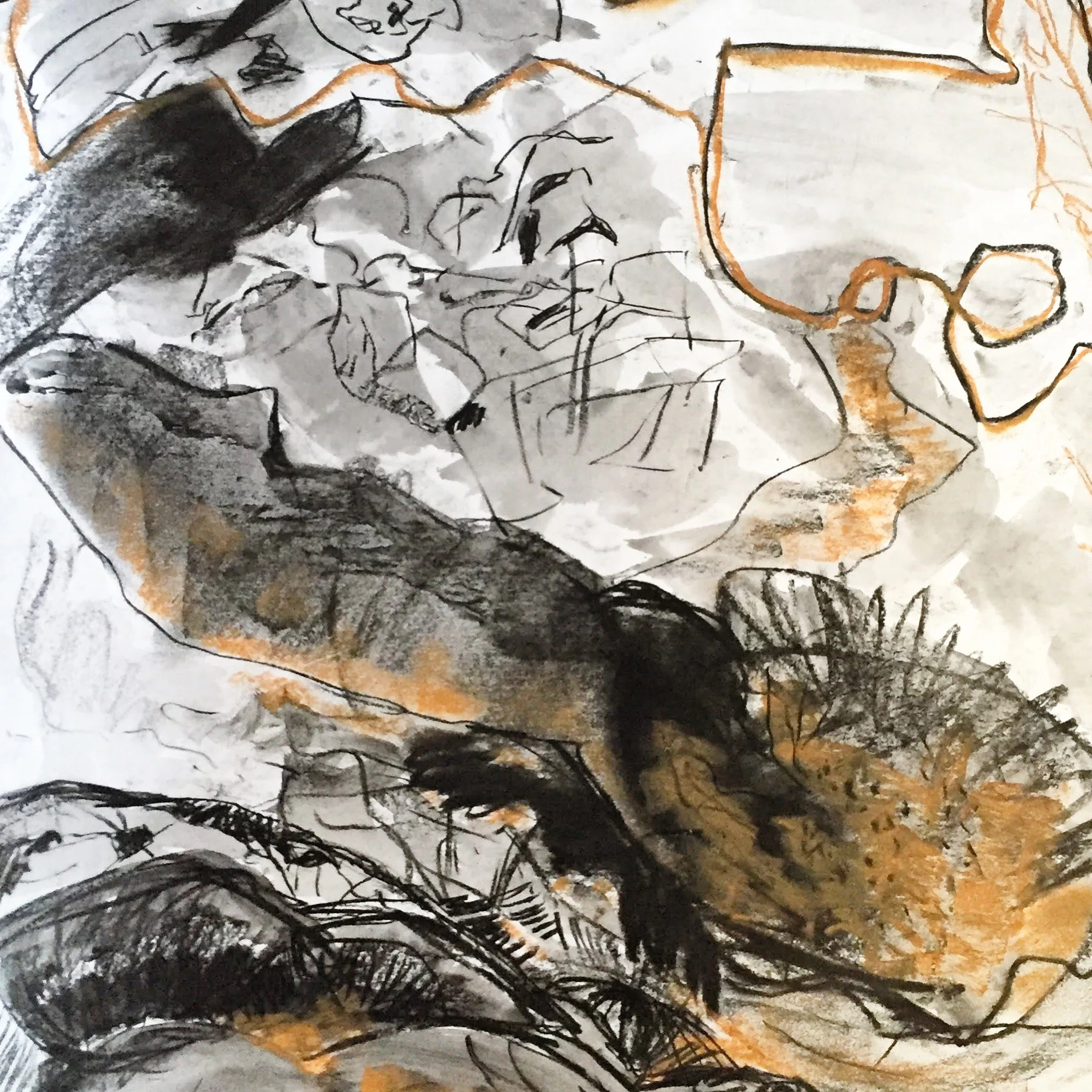
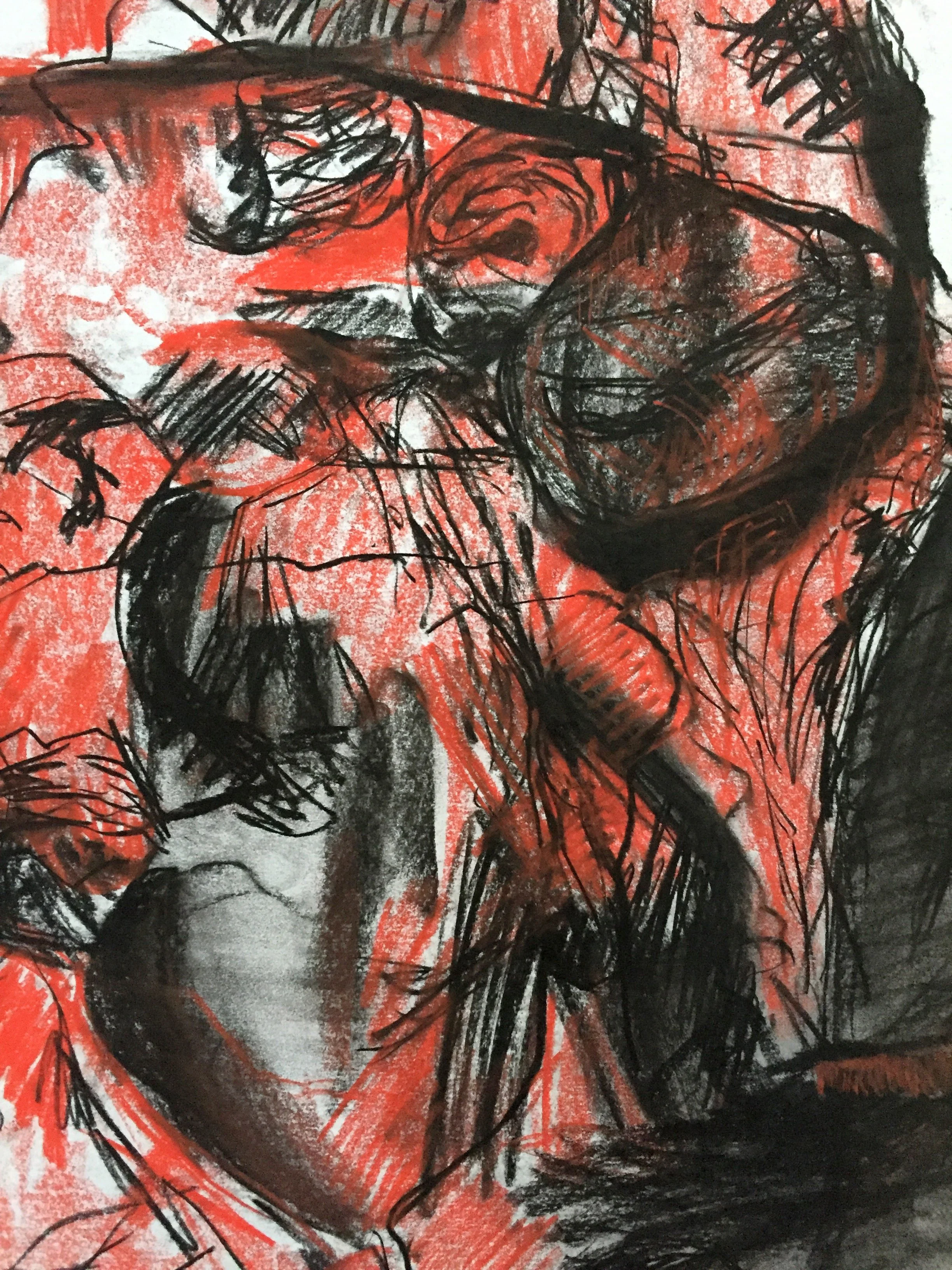
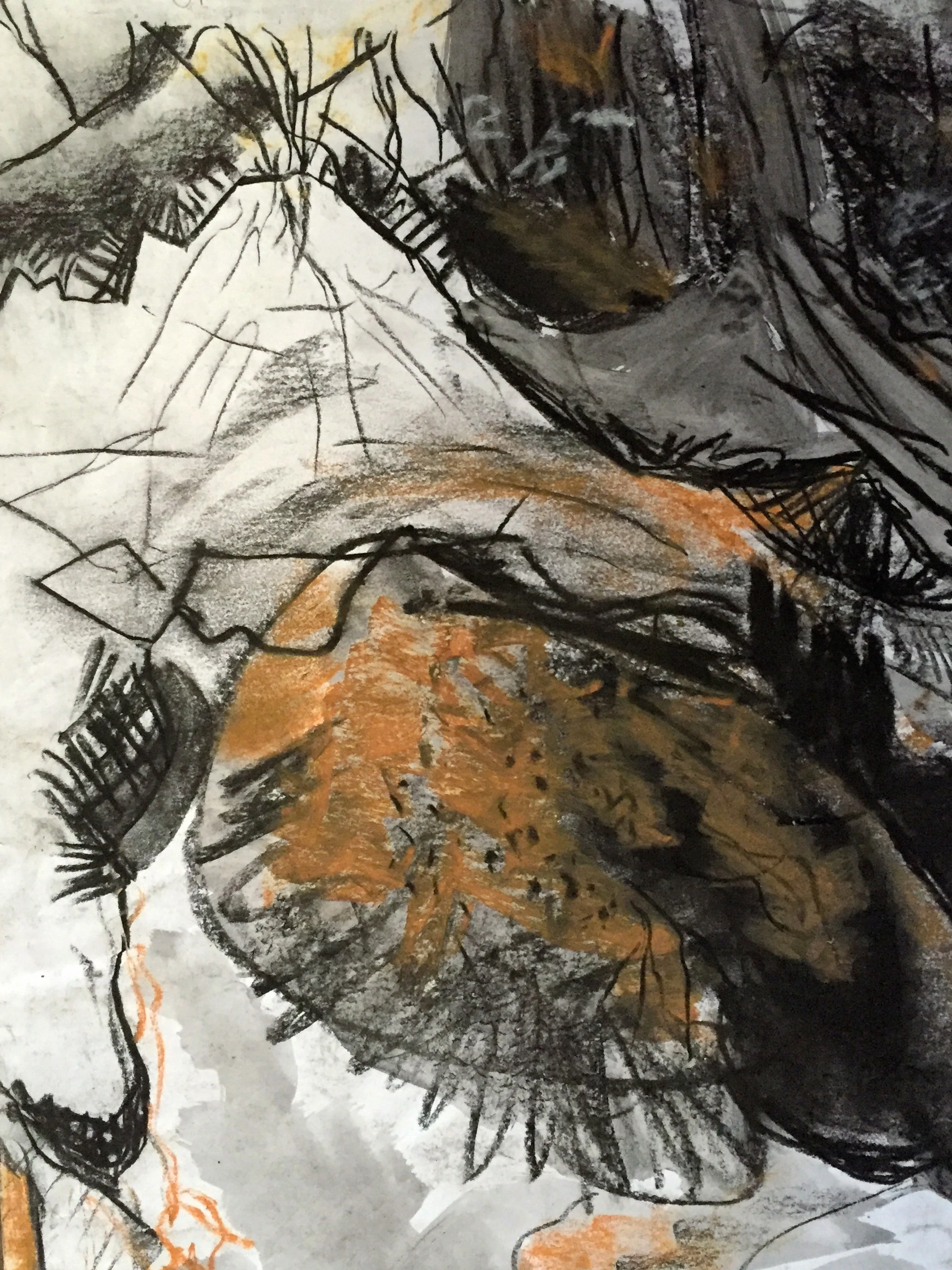
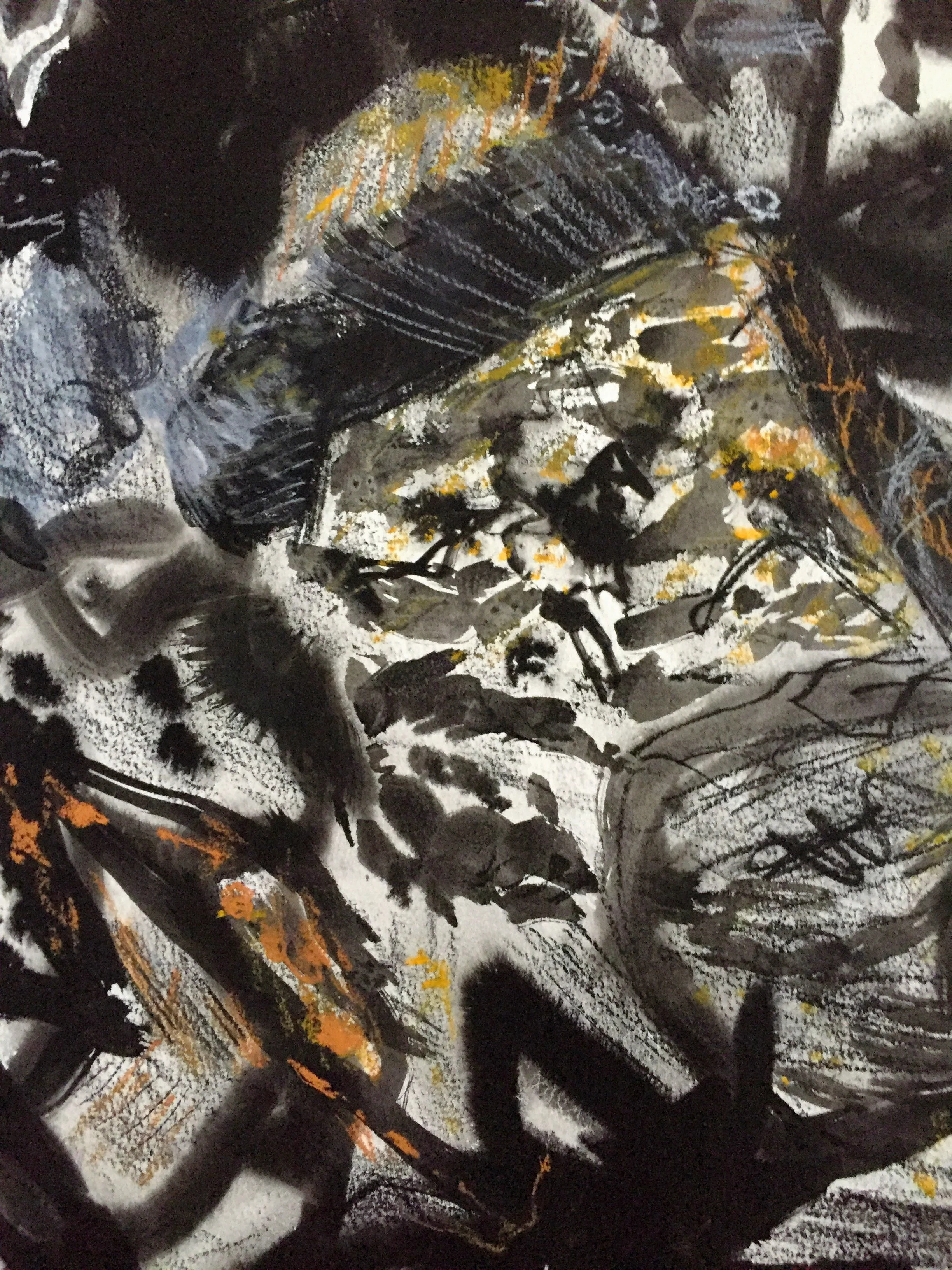
I was sitting in the studio the other day looking at some of my early drawings spread across the table. It made me think about how often people use the word "scribble."
I don't mind the word in fact I quite like the word. Some people see a scribble as something unfinished, random, or careless. I see something entirely different. I see freedom. I see a line searching for its own path. I see a record of a moment, a feeling, an idea, or a response to the world.
This is how I draw and how I have always drawn.
Abstract drawing is how I see the world. My drawings are not pictures of things. They are constructions I make from what I experience, remember, notice, and feel. The marks become a way of making sense of the world around me.
When I draw, I am not usually thinking about making a perfect image. I am following a rhythm. One line leads to another mark and informs the next mark. The drawing gradually reveals itself.
What interests me is that human beings have always made marks. Long before there were galleries, museums, or even written language, people were scratching lines into cave walls, the ground and stone surfaces. Those marks were a way of recording experience, sharing stories, and understanding the world around them.
Children do the same thing. Give a child a pencil and they will instinctively scribble. There is joy in it. Curiosity. they explore without concern about whether it is good or bad.
Unfortunately, somewhere along the way many of us lose that freedom.
Artists, however, often spend a lifetime trying to find it again.
Constructions I make from what I experience, remember, notice, and feel
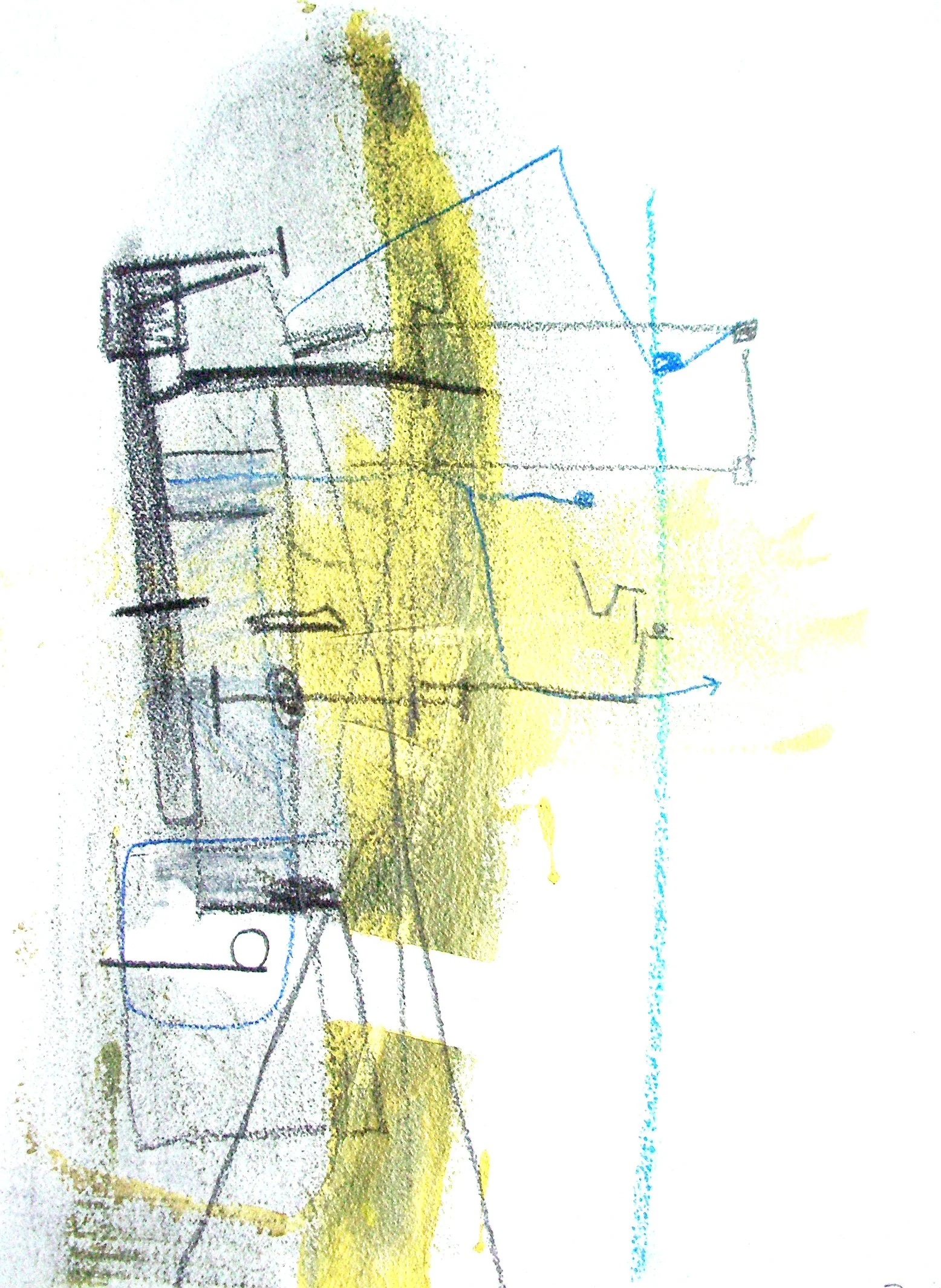
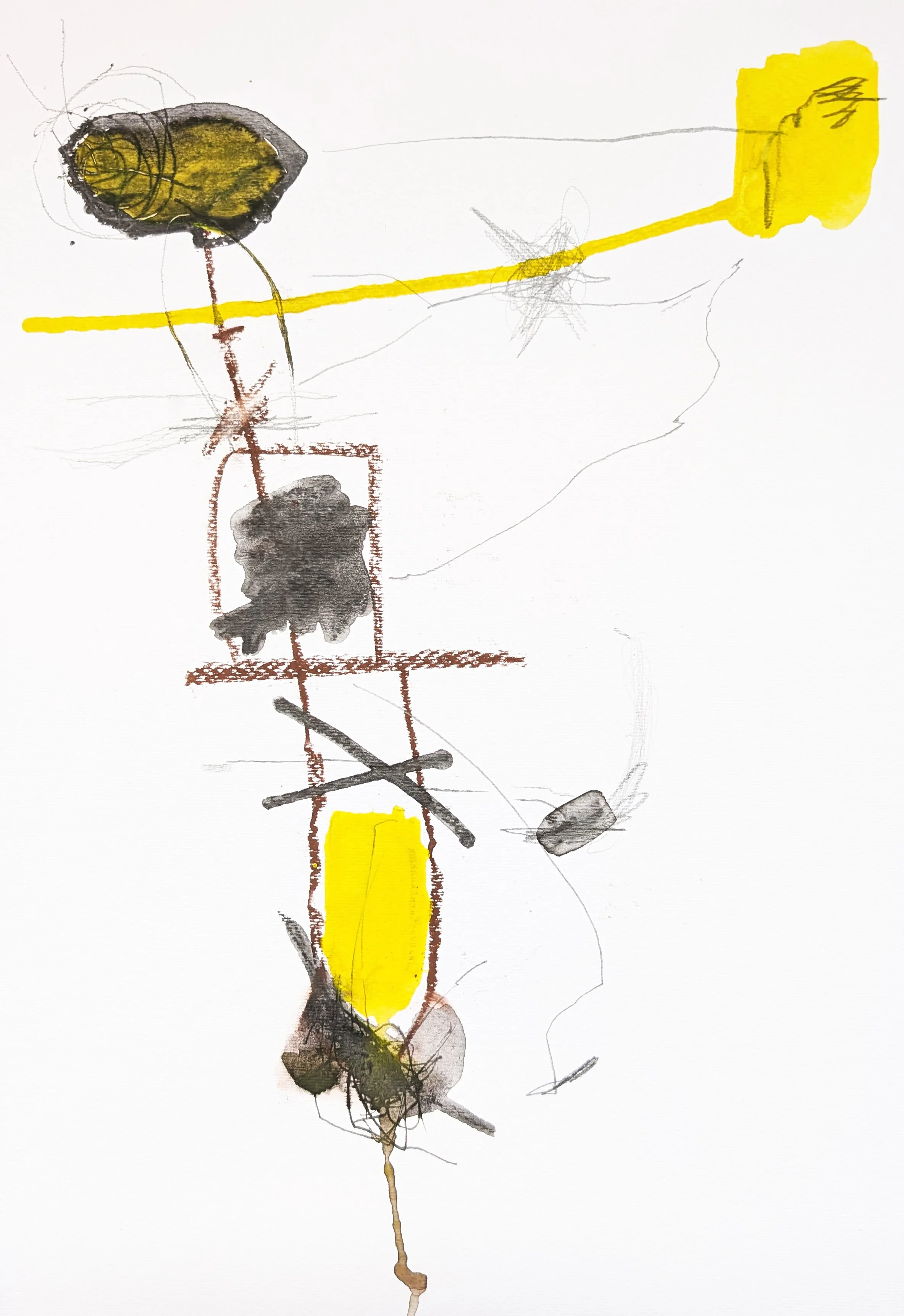
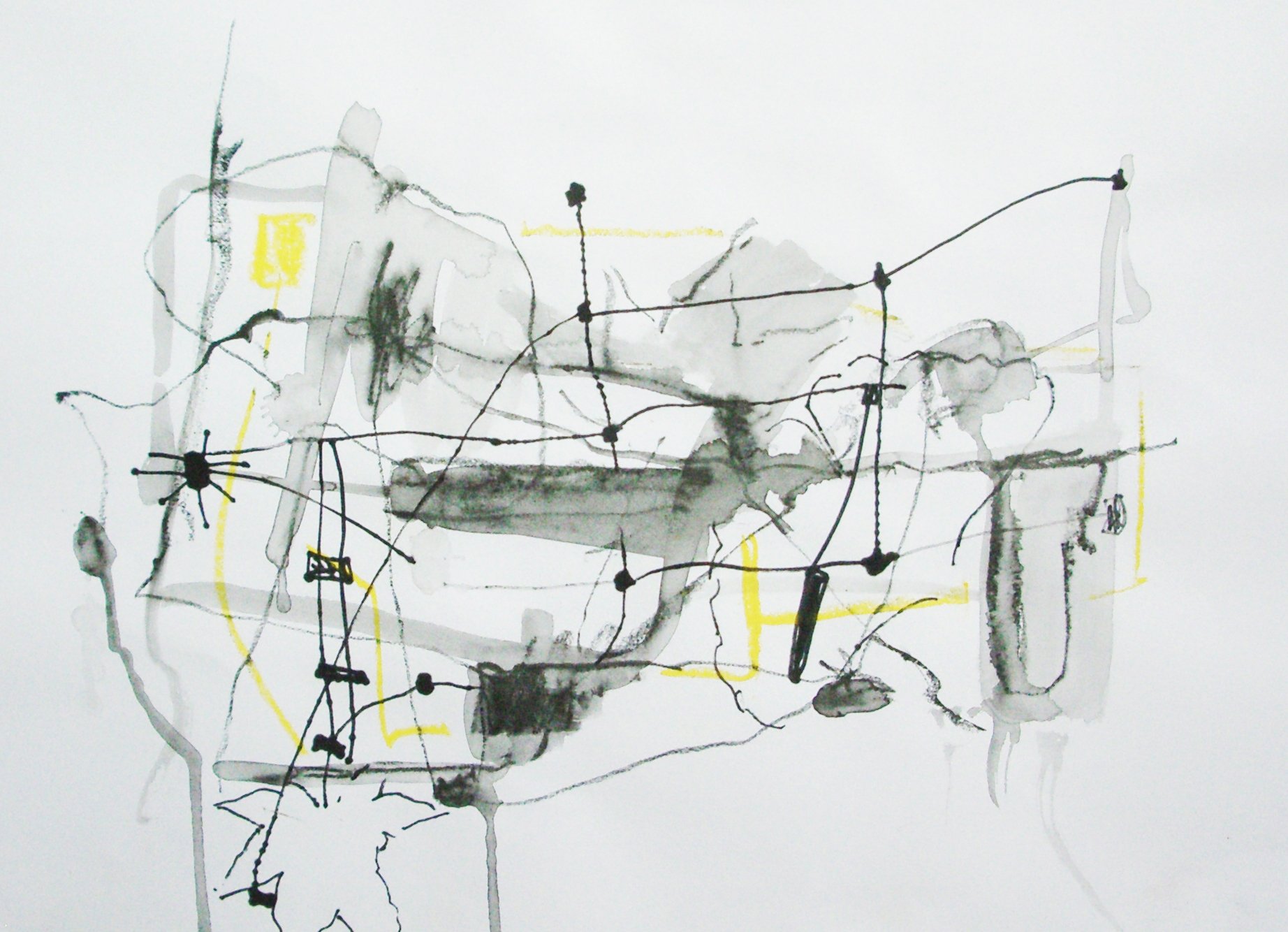
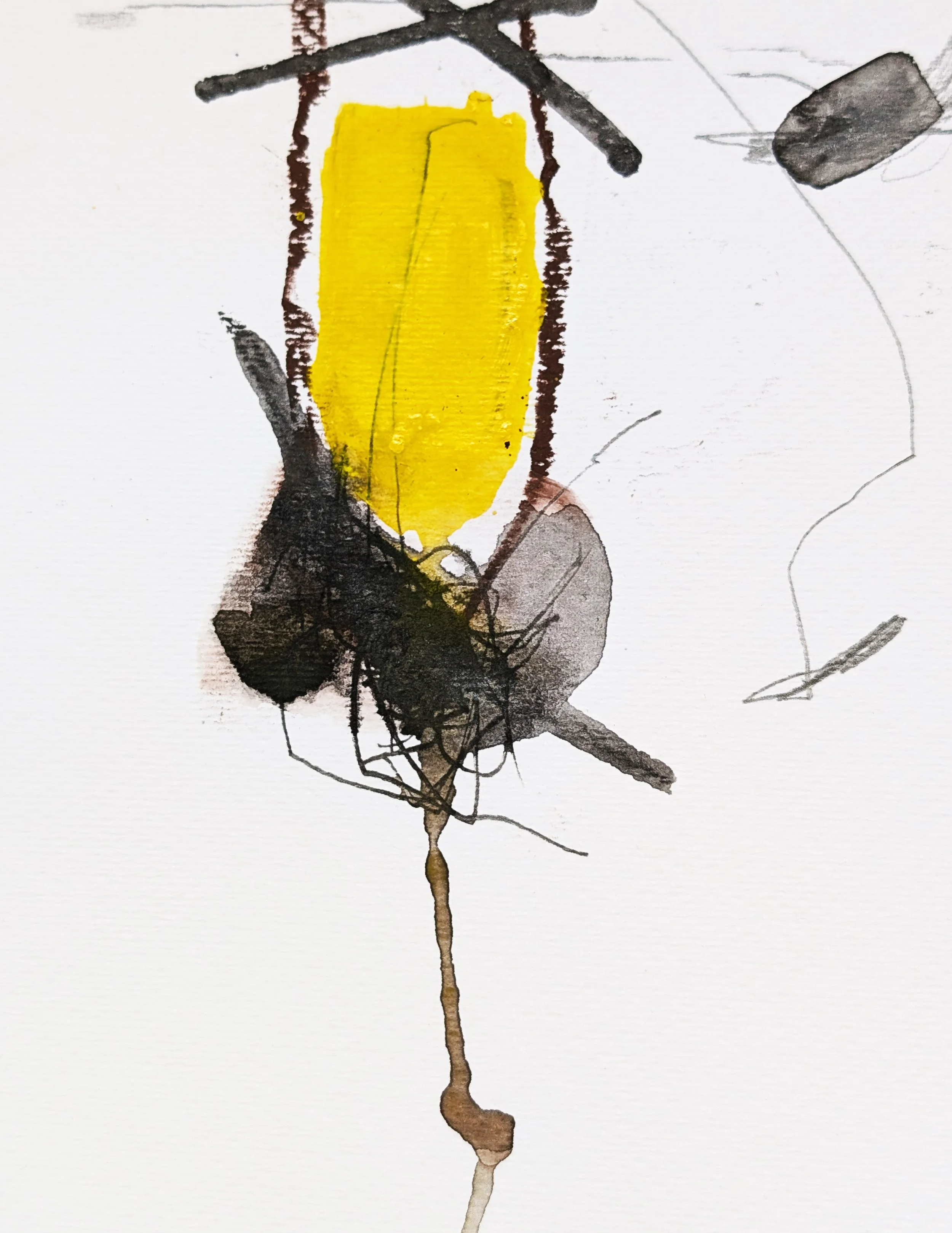
Looking back now, I realise that I was seeing the world abstractly long before I understood what abstraction was. Even while studying life drawing and observational drawing, I found myself searching for something beyond the visible. I wanted to capture the feeling of a subject rather than simply describe it. The marks themselves seemed capable of carrying emotion, memory, and experience in ways that realism sometimes could not.
When I was at art school, I was classically trained and spent three years studying observational drawing and life drawing, often attending four sessions a week. I learnt how to draw the human form, perspective, structure, light, and everything that was placed in front of me.
Art School 1993
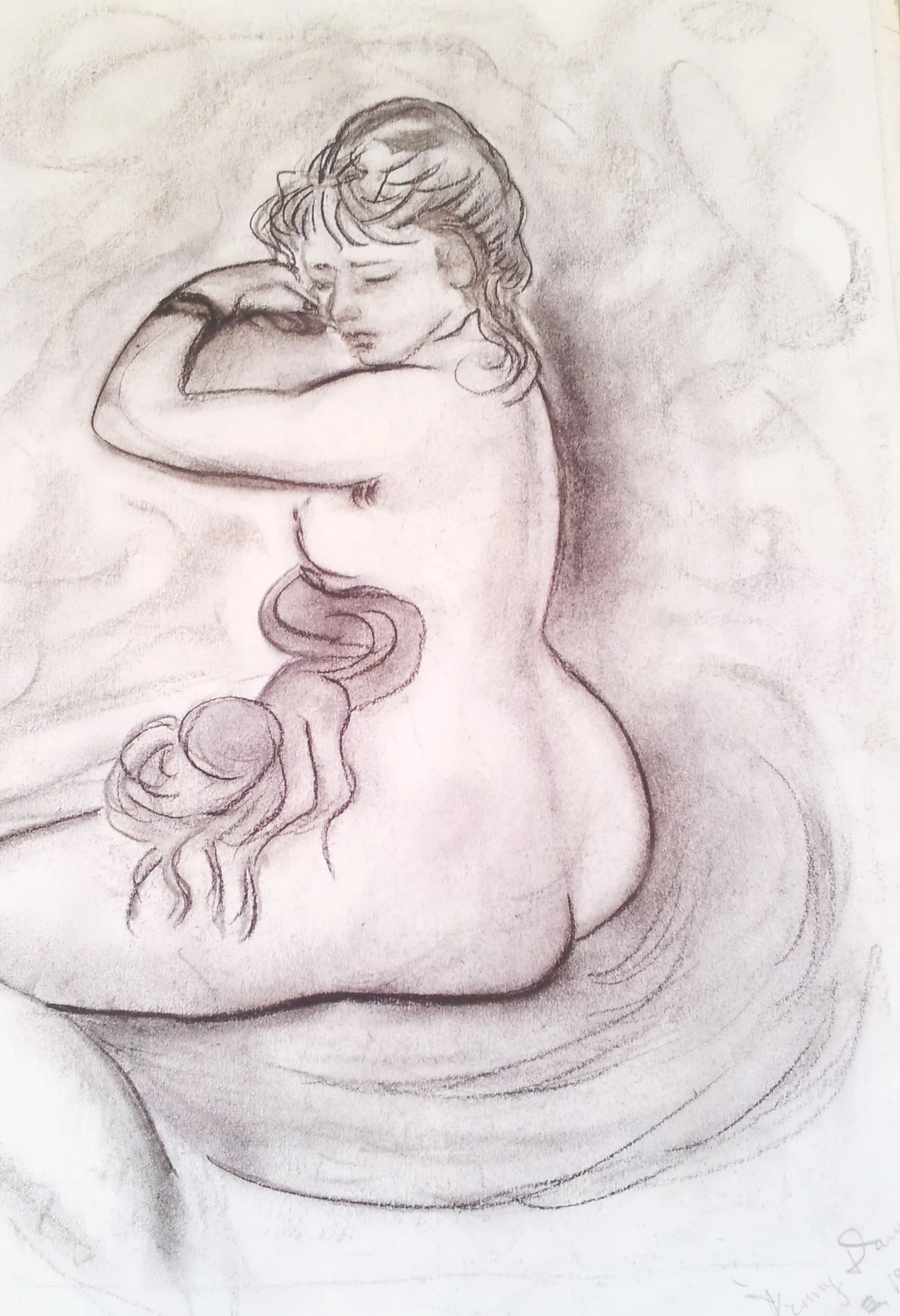
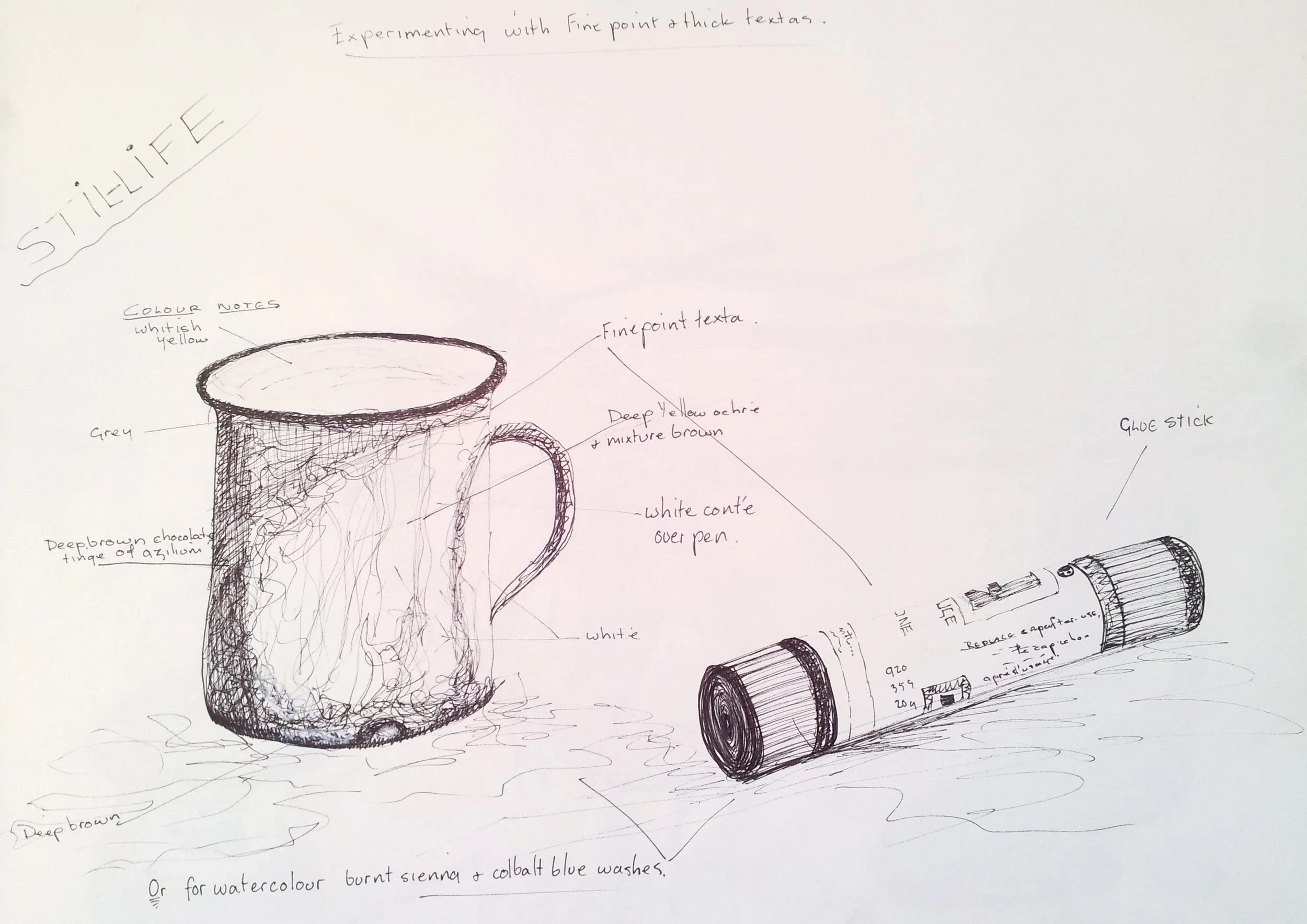
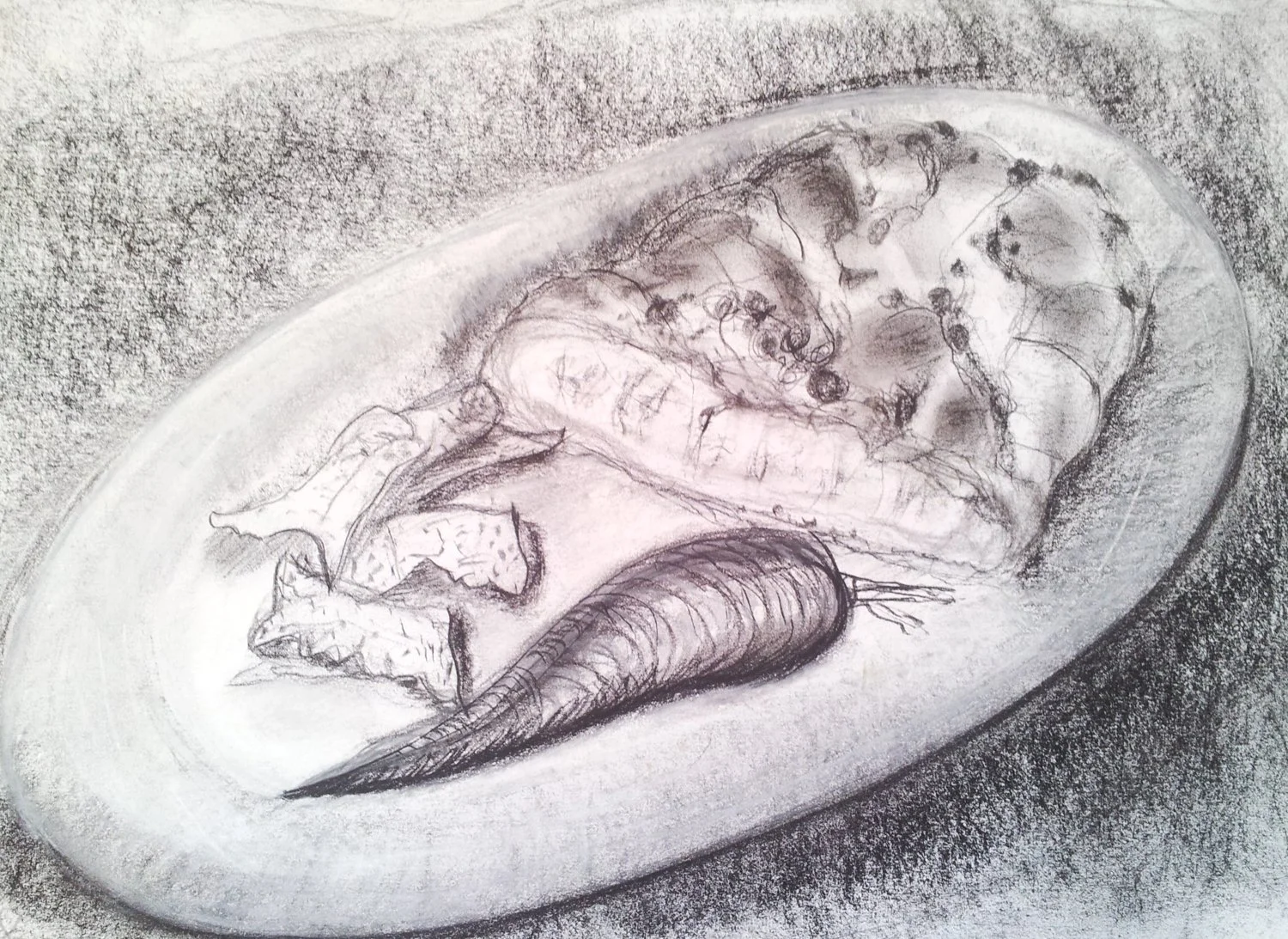
I valued that training and the discipline it taught me. Learning to truly observe is one of the greatest gifts an artist can receive.
Yet even then, I found myself wandering away from the traditional way of seeing. While I could draw what was in front of me, I wasn't interested in simply replicating it. I was always questioning what lay beneath the surface.
What fascinated me was not the object itself, but the feeling of it. The atmosphere. The energy. The essence.
At the time, I didn't have the language for it, and I certainly didn't think of it as abstraction. Looking back now, I realise that I was seeing the world abstractly long before I understood what abstraction was. Even when drawing from observation, I was searching for something beyond description.
I wanted to distil an experience rather than record it. I was interested in what could be felt rather than what could be measured. The line, the gesture, the rhythm of marks often seemed more truthful to me than an accurate rendering.
In many ways, that instinct has stayed with me throughout my entire practice. The materials and forms may have changed over the years, but the desire remains the same: to move beyond appearances and find the deeper essence of things.
Thank you for your continued support of my art practice.
Jenny Davis